6 Sports Injuries Chiropractors Can Help You Recover From
Sports injuries can significantly impact an athlete’s ability to perform, train, and compete consistently. Recovery often requires a combination of rehabilitation, strength training, mobility work, and preventative care. Many athletes turn to chiropractic treatment to support healing while improving overall body mechanics and movement efficiency. By focusing on musculoskeletal alignment and nervous system function, chiropractic care helps athletes recover from injuries while also supporting long-term performance goals.
Rather than concentrating solely on symptoms, sports-focused treatment plans address underlying imbalances that may contribute to pain or recurring injuries. This broader perspective helps athletes regain strength, restore mobility, and reduce physical stress caused by repetitive motion or impact-heavy activities. Recovery programs are often tailored to the demands of a specific sport, ensuring the athlete can safely return to competition with improved stability and confidence.
As training intensity increases across amateur and professional athletics, preventative care has become more important than ever. According to Palmer College of Chiropractic, nearly 90% of world-class athletes incorporate chiropractic care into their routines to prevent injuries and boost performance, highlighting how widely these treatments are used throughout competitive sports. This article explores how chiropractors help athletes recover from common sports injuries while supporting mobility, flexibility, and long-term physical health.
1. Understanding Sports Injuries and Athletic Recovery
Sports injuries occur in nearly every athletic discipline, ranging from contact sports like football and hockey to endurance activities such as running and cycling. Common conditions include ligament sprains, muscle strains, tendon inflammation, joint instability, and overuse injuries. These problems can develop suddenly during competition or gradually over time because of repetitive stress and poor movement patterns.
Early diagnosis is critical because untreated injuries often worsen and lead to chronic discomfort or reduced performance. Athletes who continue training without proper rehabilitation may compensate for pain by altering posture or movement, placing additional strain on other parts of the body. This can create a chain reaction of muscular imbalance and instability throughout the body.
Chiropractors evaluate these injuries through physical examinations, posture analysis, mobility testing, and movement assessments. Diagnostic imaging such as x-rays or MRIs may also be recommended when necessary to identify structural damage. By understanding how the injury affects surrounding joints and muscles, providers can create personalized recovery plans designed to restore function while preventing future setbacks.
2. Benefits of Chiropractic Treatment for Athletes
One of the primary advantages of chiropractic treatment is improved joint alignment and mobility. When joints are restricted or misaligned, athletes may experience reduced range of motion, stiffness, and muscular tension that limits performance. Spinal adjustments and joint mobilization techniques help restore movement and reduce unnecessary strain on surrounding tissues.
Pain reduction is another major benefit for athletes recovering from injuries. Soft tissue therapy, stretching routines, and corrective exercises can help reduce inflammation while improving circulation to injured areas. Better blood flow supports healing by delivering oxygen and nutrients necessary for tissue repair.
Beyond recovery, chiropractic care also contributes to athletic performance enhancement. Improved flexibility, posture, balance, and coordination can positively influence speed, strength, and reaction time. Athletes often report feeling more stable and physically prepared after incorporating these therapies into their training programs.
Mental wellness can also improve during rehabilitation. Chronic pain and extended recovery periods may create frustration, stress, or anxiety for injured athletes. Holistic recovery approaches encourage relaxation, body awareness, and confidence throughout the healing process. This combination of physical and mental support is valuable during demanding recovery periods.
3. Recovering From Sprained Ankles
Sprained ankles are among the most common sports injuries because they frequently occur during running, jumping, pivoting, and sudden directional changes. The injury happens when ligaments supporting the ankle stretch or tear after excessive twisting. Symptoms often include swelling, bruising, instability, and difficulty bearing weight.
Recovery begins with identifying the severity of the sprain and evaluating surrounding joints that may also be affected. Chiropractors commonly use adjustments to improve alignment in the ankle, knee, and hip since improper mechanics in one area can place added stress on another. This whole-body approach supports better healing patterns and movement efficiency.
Soft tissue therapy is frequently incorporated to reduce inflammation and improve circulation around injured ligaments. Controlled stretching exercises help maintain mobility while minimizing stiffness during the healing process. Gradual strengthening programs are then introduced to rebuild ankle stability and restore athletic confidence.
Balance training is especially important following ankle injuries because sprains often disrupt proprioception, the body’s ability to sense movement and positioning. Exercises involving stability boards, resistance bands, and single-leg movements help retrain coordination and reduce the likelihood of reinjury. Athletes who complete structured rehabilitation programs are often better prepared to return safely to competition.
4. Managing Shoulder Injuries in Sports
Shoulder injuries frequently affect athletes involved in swimming, baseball, tennis, volleyball, and weightlifting. Conditions such as rotator cuff tears, impingement syndrome, and joint instability can limit strength and mobility while causing persistent pain. Because the shoulder joint has such a wide range of motion, it is especially vulnerable to strain and overuse.
Treatment often focuses on restoring mobility while stabilizing surrounding muscles. Chiropractic adjustments may improve joint mechanics and reduce pressure on irritated tissues. Soft tissue techniques targeting the chest, upper back, and shoulder muscles also help decrease tightness that contributes to restricted movement.
Rehabilitation programs typically include exercises designed to strengthen the rotator cuff and improve posture. Poor posture can increase stress on the shoulder joint, particularly in athletes who spend long hours training or performing repetitive movements. Corrective exercises encourage proper movement patterns while reducing the likelihood of recurring discomfort.
For athletes recovering from shoulder surgery, rehabilitation must progress carefully to avoid reinjury. Chiropractors often work alongside orthopedic specialists and physical therapists to coordinate recovery strategies that improve flexibility, stability, and strength. This collaborative approach helps athletes regain confidence while gradually returning to sport-specific activities.
5. Supporting Knee Injury Rehabilitation
Knee injuries are especially common in sports requiring jumping, cutting, and rapid acceleration. ACL tears, meniscus injuries, and patellar tendinitis can significantly limit athletic participation while requiring extensive rehabilitation. These injuries often affect not only the knee itself but also the hips, ankles, and lower back because of compensation patterns.
Joint adjustments and soft tissue therapies are commonly used to improve lower-body mechanics and reduce stress on the knee. Misalignment in nearby joints may increase strain during movement, making proper alignment important during recovery. Chiropractors may also recommend supportive braces or taping techniques to provide additional stability during rehabilitation exercises.
Strengthening exercises are a critical component of knee recovery because strong surrounding muscles help absorb impact and protect vulnerable structures. Programs frequently target the quadriceps, hamstrings, glutes, and calves to improve stability throughout the lower body. Flexibility exercises are also important because tight muscles can alter movement patterns and increase pressure on the knee joint.
6. Treating Sports-Related Back Injuries
Back injuries can develop from sudden trauma, repetitive stress, or improper lifting mechanics during athletic activity. Herniated discs, muscle strains, and spinal misalignments often cause pain, stiffness, and limited mobility that interfere with training and competition. Sports involving twisting, heavy lifting, or repetitive impact frequently place additional stress on the spine.
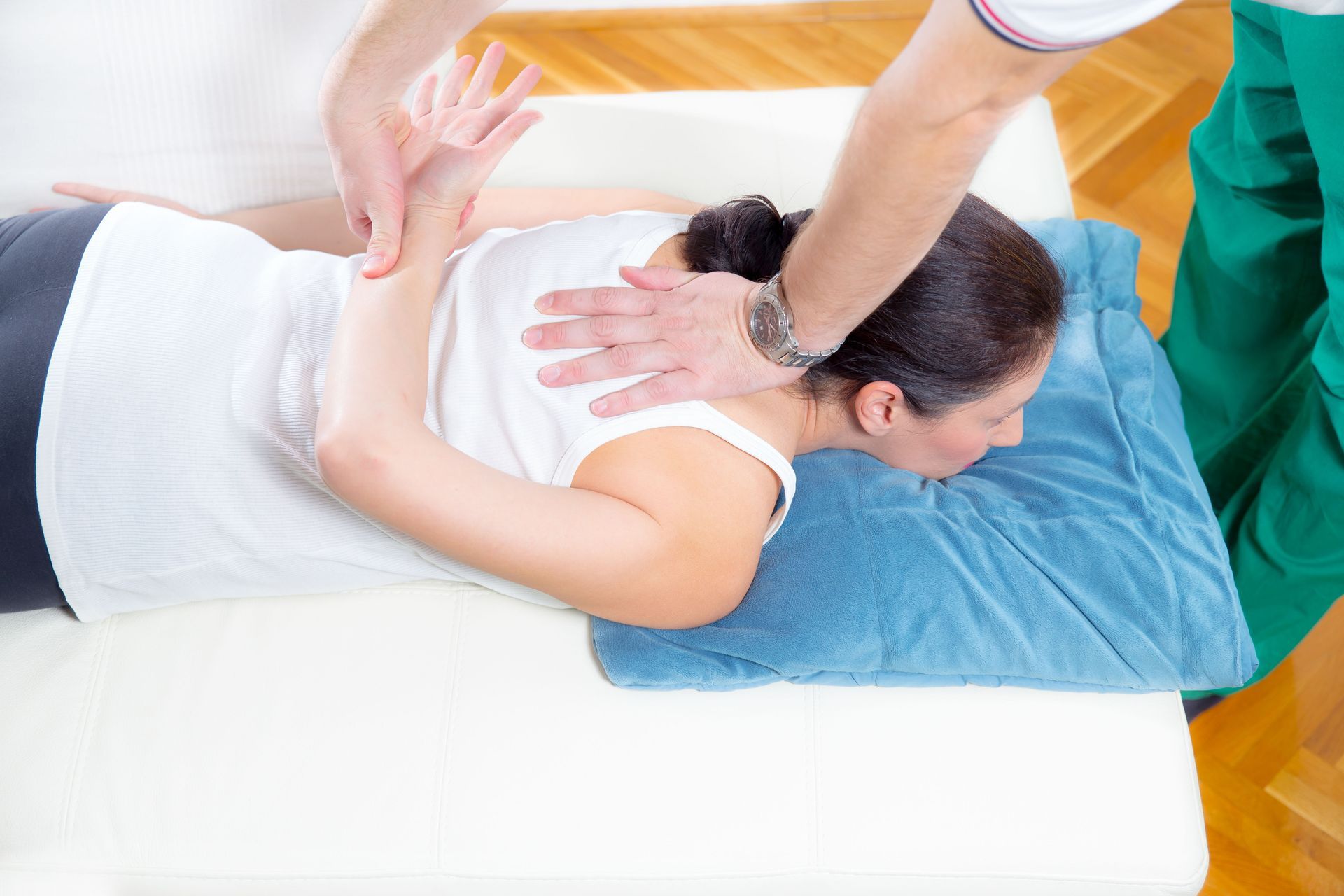
Spinal adjustments are commonly used to improve alignment and restore movement in restricted joints. Proper spinal mechanics help distribute force more evenly throughout the body, reducing tension in surrounding muscles and connective tissues. Many athletes experience improved mobility and reduced discomfort after receiving these treatments.
Consistency is key when it comes to long-term injury prevention. Athletes who prioritize recovery and maintenance often experience fewer interruptions to training while improving durability throughout their careers. By addressing both performance and rehabilitation, chiropractors continue to play an important role in helping athletes remain active, healthy, and competitive. Contact Health In Motion Chiropractic today and learn more about our chiropractor services.


Share On: